Latest
State of AI tools, October 2026: 3,264 tools, by the numbers
3,264 AI tools counted on October 13, 2026: domain ages, .ai against .com, how they charge, median prices by category, platforms, countries and shutdowns.
Read the guideBlog
We re-check every listing on a schedule — whether it still answers, what it costs, what changed. These posts are what that work teaches about choosing AI tools: the pricing patterns, the warning signs, the questions worth asking before you pay.
Latest
3,264 AI tools counted on October 13, 2026: domain ages, .ai against .com, how they charge, median prices by category, platforms, countries and shutdowns.
Read the guide110 AI directories and launch sites checked on October 10, 2026: who still lists for free, what a badge buys, median prices, queues, links and closures.
What nofollow, sponsored and ugc mean, what Google says about paid links, and what 97 directories serve in their link tags. Checked October 10, 2026.
Founder-reported results from AI directory listings, why the numbers differ, when paying makes sense, and a checklist for choosing. Checked October 2026.
Ten bulk directory-submission services compared on what their pages and terms say: price, count, manual or not, report, refunds. Read October 10, 2026.
A 30-day plan to launch an AI tool: queue lead times, a submission kit to write once, platform rules, tracking and a copyable checklist (October 2026).
Nine ways to promote an AI tool ranked by cost, time and what founders report getting back, with a 30-day order of work and the mistakes to skip.
Photo math solvers, AI tutors and essay helpers compared: what each does, which are free, how often they are wrong, and the school rules that apply.
Chat assistants, calendar assistants and agents that act need different access. What each can run in 2026, what to revoke, and what to check first.
How receipt OCR works and where it fails, what to check before paying, which free tiers cap what, and where your receipts are stored.
LangChain is Python-first with a JavaScript version; Mastra is TypeScript only. How they differ on workflows, memory, MCP, evals, deployment and cost.
What legal AI tools do for contract review, research and drafting, why invented citations are the risk, who publishes prices and what a solo can buy.
Prompt libraries for ChatGPT and Claude versus developer platforms with versioning, evals and tracing: a checklist, verified prices and how to choose.
Zapier plans and task tiers as of October 2026, what counts as a task, the free plan limits, overages, and when Make, n8n or Activepieces is cheaper.
Consent, auto-join, training on transcripts, retention and sharing defaults: what to check before an AI notetaker records your meetings, in one list.
Free, freemium, free trial, paid, contact sales: what each label commits a vendor to, the price units that hide the real cost, and how to compare plans.
Domain age, a named company, a valid certificate, a real price: the eight checks behind our trust score, and how to run each one yourself in ten minutes.
AI code editors, IDE extensions, terminal agents and app builders solve different problems. How to pick the right shape before comparing brands.
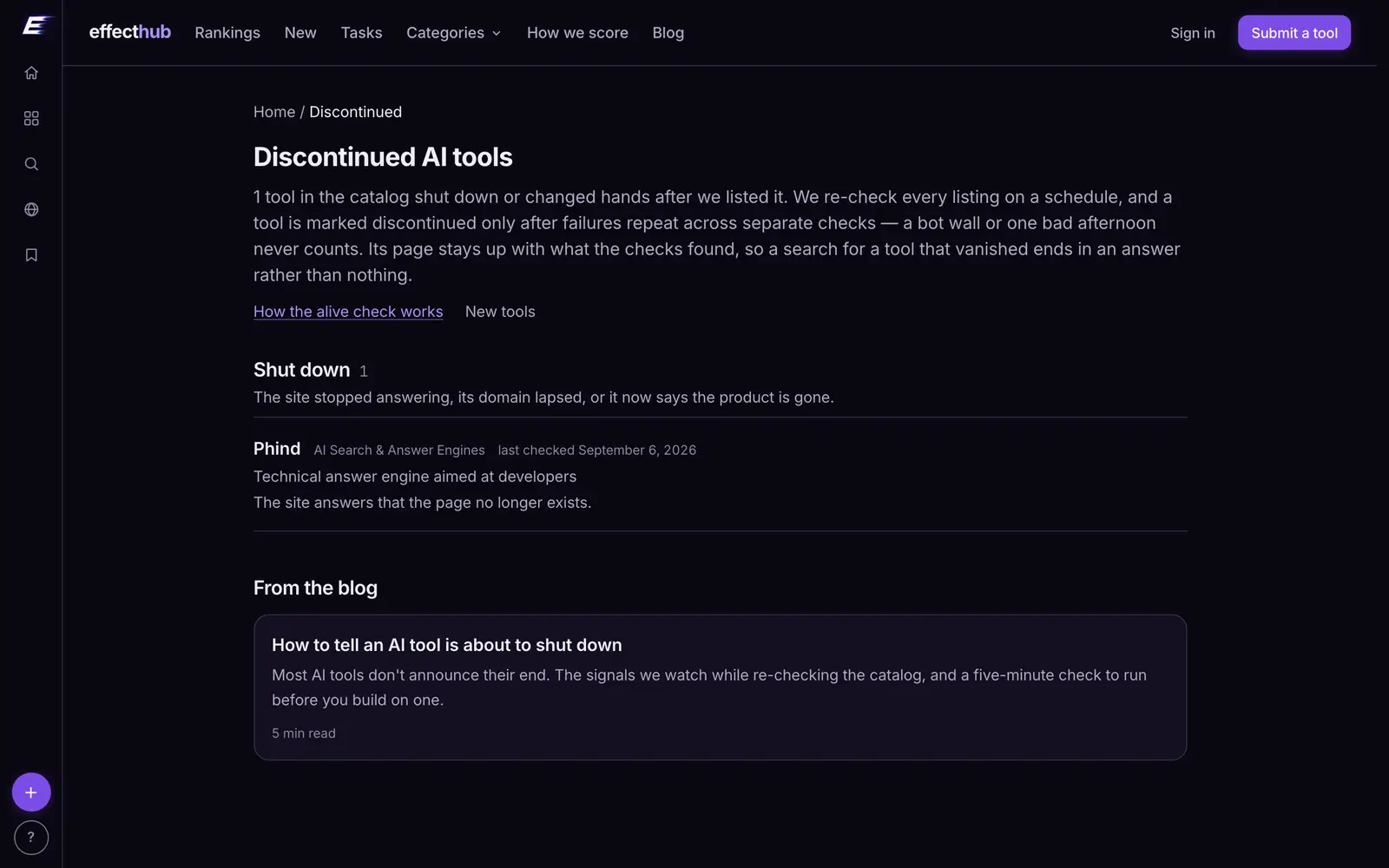
Most AI tools don't announce their end. The signals we watch while re-checking the catalog, and a five-minute check to run before you build on one.
Vendor press images are identical across fifty catalogs. What it took to capture 1,443 AI tools ourselves: consent banners, bot walls and blank pages.
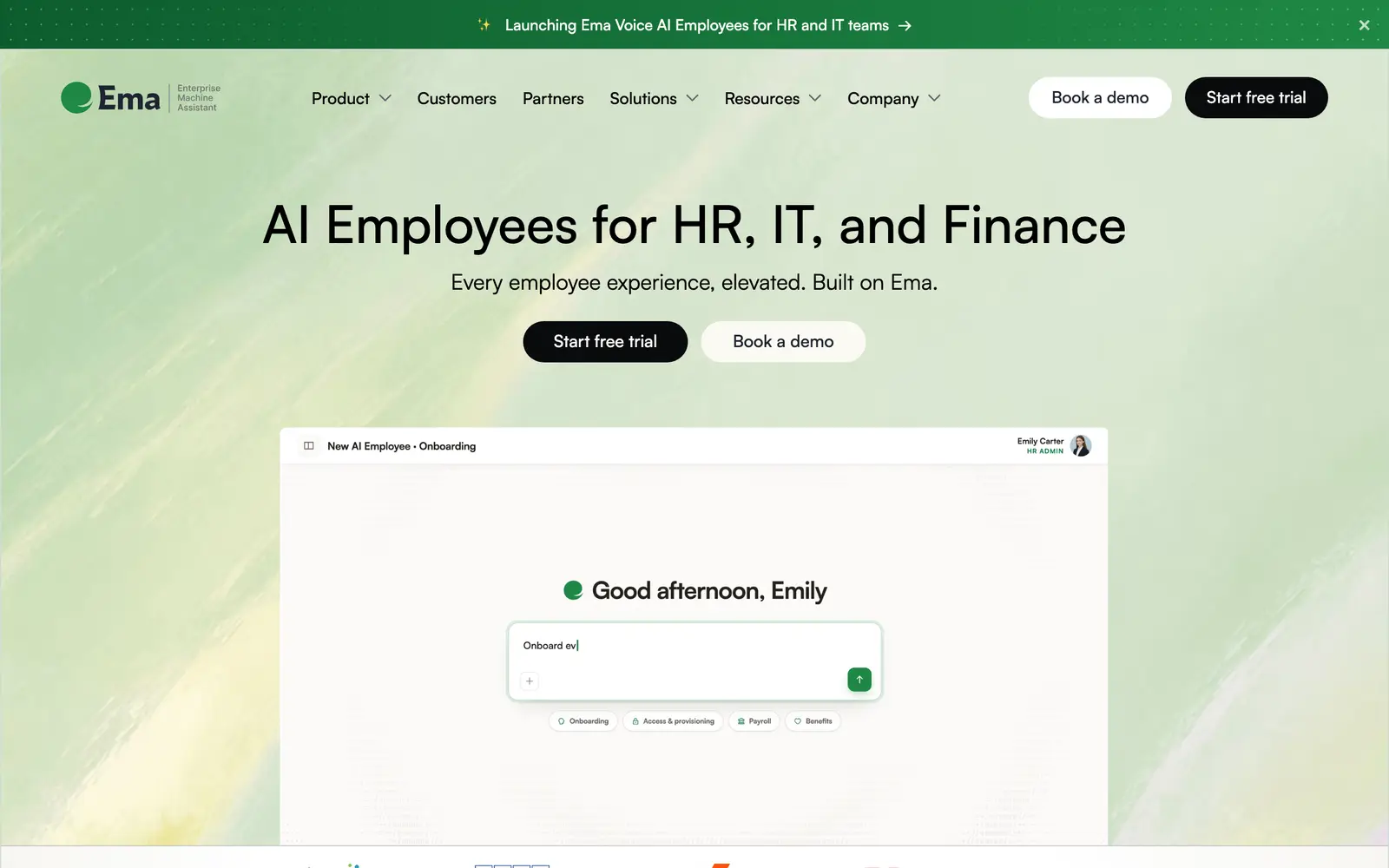
Instinct raised $1B at $10B a month after its last round; EliseAI doubled to $4B; Ema and Modulate closed rounds; OpenAI is reportedly raising $30B.
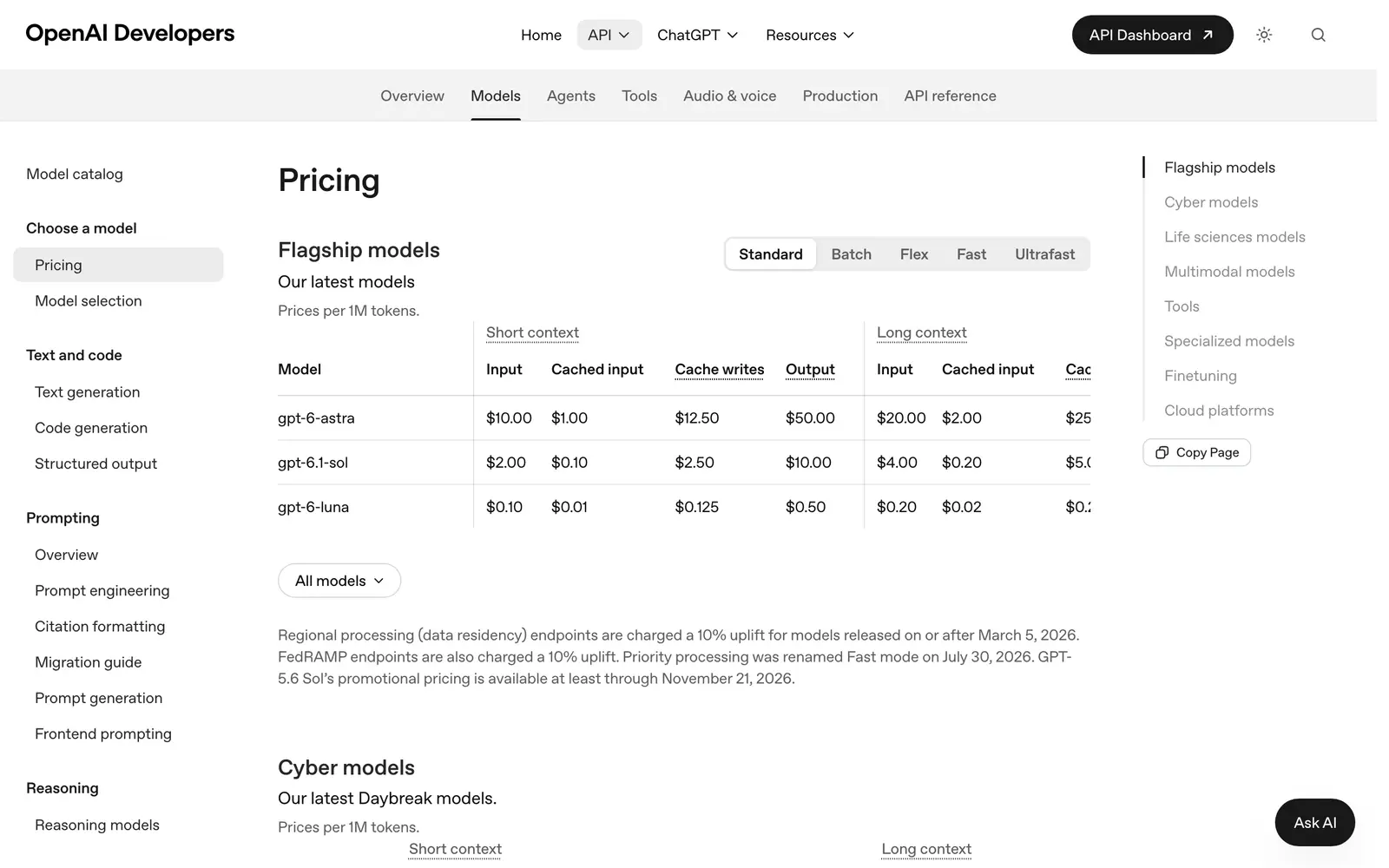
Anthropic cut Opus 5.5's list price by 20%; Sonnet 5.5 kept its price and promises cheaper tasks. OpenAI's and Google's lower rates come with end dates.
Follow new posts via the RSS feed.