
AI personal assistants: what one can actually run for you, and what it still can't
Chat assistants, calendar assistants and agents that act need different access. What each can run in 2026, what to revoke, and what to check first.
On this page15 sections
- Three shapes, three levels of access
- Chat assistants with a schedule
- Calendar and task assistants
- Agents that act
- What still needs a human
- The permissions question
- Why "runs in the background" needs a review step
- What they cost
- Before you connect your inbox or calendar
- Which to pick
- Questions people ask
- What is the best free AI personal assistant?
- Can an AI assistant read my email?
- Is it safe to give an AI assistant calendar access?
- Sources
"AI personal assistant" now describes three different products. One is a chat assistant that answers, drafts and reminds. One is a calendar assistant that moves your tasks and meetings around. The third is an agent that acts in your other apps: it sends the reply, books the slot, updates the CRM. The catalog's personal assistant and task automation pages list all three side by side, and they ask very different things of you.
The decision turns less on the model inside than on access. A reminder needs nothing. A calendar assistant needs to write to your calendar. An agent that sends email needs your inbox, and it acts whether or not you are watching. Settle how much access you will grant, and whether the tool acts before or after you look, and the shortlist shrinks to a handful.
Three shapes, three levels of access
Chat assistants with a schedule
The assistant you already pay for can now run on a timer. OpenAI's help center describes ChatGPT scheduled tasks as one-time or recurring jobs that can also watch for changes. Limits follow the plan: three active tasks on Free and Go, five on Plus, ten on Business and Edu, fifteen on Pro and Enterprise; free accounts get one run a day at most, and hourly schedules need a paid plan. Event-triggered tasks, which react to a new Gmail message, a Slack post or GitHub activity, start at Plus.
- Free and Go3
- Plus5
- Business and Edu10
- Pro and Enterprise15
Google's Gemini app added scheduled actions in June 2025 for Google AI Pro and Ultra subscribers and qualifying Workspace plans. Google's own example is a morning rundown of your calendar and unread email; its limits page says limits can change without notice.
This shape reads, summarizes, reminds and drafts; it does not send or book on its own. The catalog's general assistant page covers the group.
Calendar and task assistants
These take write access to one thing, your calendar. Reclaim's free Lite plan covers one user, one calendar sync and a one-week scheduling range; Starter is $10 per seat per month billed yearly, $12 monthly. Motion lists Pro AI at $19 per seat per month beside a 33% annual-billing toggle, with no free plan and a trial of unstated length. Any.do is the task-list end of the group: Personal is free, and Premium at $4.99 a month billed annually ($7.99 monthly) adds recurring tasks, location reminders and reminders over WhatsApp.
This shape time-blocks tasks, moves them when a meeting lands and protects focus hours. See the calendar and scheduling category and the task management page.
Agents that act
This is the group that needs the most care. Notis is reached by message from Telegram, WhatsApp, iMessage, Slack or email; its site shows it triaging an inbox, drafting replies, setting reminders, logging calls to a CRM and writing a research report into your Drive. Pricing is metered: the vendor puts the average task at nine cents, the Pro plan includes $20 of monthly usage, and the trial fronts $20 of usage for seven days.
OpenClaw is the self-hosted route: an MIT-licensed assistant that runs on your own machine, connects to 29 chat channels including WhatsApp, Telegram, Signal and iMessage, and, per its site, organizes your inbox, sends email, manages your calendar and checks you in for flights. No subscription, no hosted tier; you bring the model and pay its provider.
Loopa gives the agent a cloud computer: 600 free credits a day, then Pro at $17 a month (shown as a discount from $20) with 20,000 credits and 30 scheduled tasks. Lindy sells per-credit agents for inbox management and meeting notes from $29.99 a month, with a seven-day trial of $50 in credits and no card needed. MindStudio is for building your own: one agent and 1,000 runs a month free, then $20 a month ($16 billed yearly) plus model usage at the provider's price.
More of the group: AI agents, browser copilots, browser automation and WhatsApp.
Notis
69Sends tasks over WhatsApp, Telegram, Slack, iMessage, or email and Notis carries them out across 1,000+ connected apps.
OpenClaw
77Open-source, self-hosted AI assistant you message from WhatsApp, Telegram, Slack and 10+ other chat apps
Any.do
69To-do lists, reminders and a calendar across a dozen platforms, with AI features on the paid tiers
Loopa
69General-purpose agent that plans and runs multi-step tasks, returning slides, docs, sites or research.
Cross-app AI assistant that sits in the background, joins meetings for notes, and answers questions using context it already has.
Vellum
85Personal AI assistant with persistent memory that acts across email, calendar, files and chat apps
Personal AI assistant that consolidates notes, tasks, calendar, and email while automating routine workflows.
Assindo
71Phone-based assistant that screens and places calls, runs web research and posts to social accounts
What still needs a human
Anything that spends money: a booking is a purchase, and sensible setups keep the card behind an approval. OpenAI's documentation says "Actions that require approval may pause the task", which is the design working, not failing. Anything with a counterparty who can push back: finding a meeting time is fine, disputing a charge is not. And anything where tone matters: let it draft, and read before it sends.
The permissions question
Each shape needs a different grant, and the grant is the real price.
| Shape | Needs | Should not need | Where to revoke |
|---|---|---|---|
| Chat assistant with tasks | Notifications; a connector for event triggers | Calendar or contacts | The assistant's connector settings |
| Calendar assistant | Read-write on one calendar | Mail, files, contacts | Your account's linked apps page |
| Messaging agent | The channel, then each integration you add | Anything you have not added | Each integration, separately |
| Self-hosted agent | Whatever your machine is logged into | A vendor account | Your own machine; use a separate user |
Google's account help names three grant levels: basic profile, viewing and copying data, and managing data, which lets an app edit, create and delete. An agent that acts asks for the third. The same page points to myaccount.google.com/linkedapps to review and remove access, and warns never to give an app your password.
Why "runs in the background" needs a review step
A task on a timer runs when you are not looking; a webhook trigger runs when someone else does something. OpenAI tells users to review the app, account, event, conditions and instructions before relying on an event-triggered task.
Usage billing adds a second reason. Notis bills on-demand usage in arrears within a limit you choose; MindStudio lets you set per-agent and total spend limits. Set the cap before the first automation, start draft-only, read the log weekly, and add the next automation only after two clean weeks.
What they cost
| Tool | Free tier | Entry paid price | Metered by |
|---|---|---|---|
| ChatGPT tasks | 3 active tasks, daily at most | Plus: 5 active tasks, hourly schedules | Plan tier |
| Gemini scheduled actions | None listed | Google AI Pro or Ultra | Plan tier |
| Reclaim | Lite: 1 user, 1 calendar sync | $10/seat/month yearly, $12 monthly | Seats |
| Motion | None; free trial | $19/seat/month, Pro AI | Seats |
| Any.do | Personal plan | $4.99 a month yearly, $7.99 monthly | Flat |
| Notis | CLI only | Pro: $20 of usage a month | Usage, about 9 cents a task |
| OpenClaw | All of it, MIT license | None; you pay the model provider | Your model bill |
| Lindy | 7-day trial, $50 in credits | $29.99 a month, 3,000 credits | Credits |
| Loopa | 600 credits a day | $17 a month (Pro), shown as discounted | Credits |
| MindStudio | 1 agent, 1,000 runs a month | $20 a month, $16 yearly, plus usage | Runs and tokens |
All figures come from the vendors' pages on the date of this post; the catalog cards update after it does. Per-seat, per-credit and per-task prices only compare at your own volume, which our guide to AI tool pricing models walks through.
Before you connect your inbox or calendar
- Read the consent screen: a manage scope means edit and delete, a view scope means read.
- Start on a secondary account or a dedicated calendar, not your main one.
- Keep the agent draft-only for two weeks, then allow sending for one category of mail.
- Set the spend cap, note the trial end date, and check whether a card is on file.
- Know the revoke path before you grant, and confirm the vendor and plan are current with our verification.
Which to pick
For briefings and reminders, start with the assistant you already pay for: ChatGPT tasks on Plus or Gemini scheduled actions on Google AI Pro cost nothing extra. If the calendar is the problem, try Reclaim's free tier or Motion's trial; Any.do for lists and WhatsApp reminders. To delegate by message, Notis is the hosted route and OpenClaw the self-hosted one. If no product fits, MindStudio's free plan builds one agent.
No-code builder for multi-step AI agents and automations
AgentGPT
69Browser-based autonomous agent that splits a written goal into tasks and runs them in a loop
Sintra
69Role-shaped AI assistants for support, social, email and SEO, sold as one subscription.
Aphid
77Builds an AI clone of you that keeps answering messages, scheduling and following up while you are away
Panzoe
69Bundles 25 AI assistants and 15 tools for business, home, health, and learning tasks into one subscription.
Botlor
59Multi-model AI butler that shops, books, and researches for you inside one chat thread.
Questions people ask
What is the best free AI personal assistant?
For reminders and briefings, the free tiers of ChatGPT (three active tasks) and Reclaim (one user, one calendar) cover a lot. For an agent that acts, OpenClaw is free under the MIT license if you run it yourself and pay for a model; Loopa's 600 daily credits and MindStudio's 1,000 runs a month are the hosted free allowances we found.
Can an AI assistant read my email?
Only if you connect it. Notis, OpenClaw and ChatGPT's event-triggered tasks all work on Gmail once you grant access, and the grant is what to watch: a manage scope allows sending and deleting, not just reading. Revoke it from your account's linked apps page when you stop using the tool.
Is it safe to give an AI assistant calendar access?
Calendar write access is the narrowest grant in this guide: it touches no mail or files. Grant it on one calendar, confirm the tool does not also ask for contacts or Drive, and revoke it when you stop. Reclaim and Motion are built around exactly this grant.
Sources
- Scheduled tasks in ChatGPT — OpenAI Help Center
- ChatGPT plans and pricing — OpenAI
- Scheduled actions in the Gemini app — Google
- Gemini Apps limits and upgrades for Google AI subscribers — Google Help
- Reclaim pricing
- Motion pricing
- Any.do pricing
- Notis pricing
- Notis
- OpenClaw
- Loopa pricing
- Lindy pricing
- MindStudio pricing
- Manage third-party apps and services with access to your account — Google Account Help
AssistantsAgentsGuides
Every tool named here has a live catalog page — price, status and when we last checked it.
Browse the catalogFollow new posts via the RSS feed.
Keep reading
All posts →LangChain vs Mastra: which agent framework to build on in 2026
LangChain is Python-first with a JavaScript version; Mastra is TypeScript only. How they differ on workflows, memory, MCP, evals, deployment and cost.
State of AI tools, October 2026: 3,264 tools, by the numbers
3,264 AI tools counted on October 13, 2026: domain ages, .ai against .com, how they charge, median prices by category, platforms, countries and shutdowns.
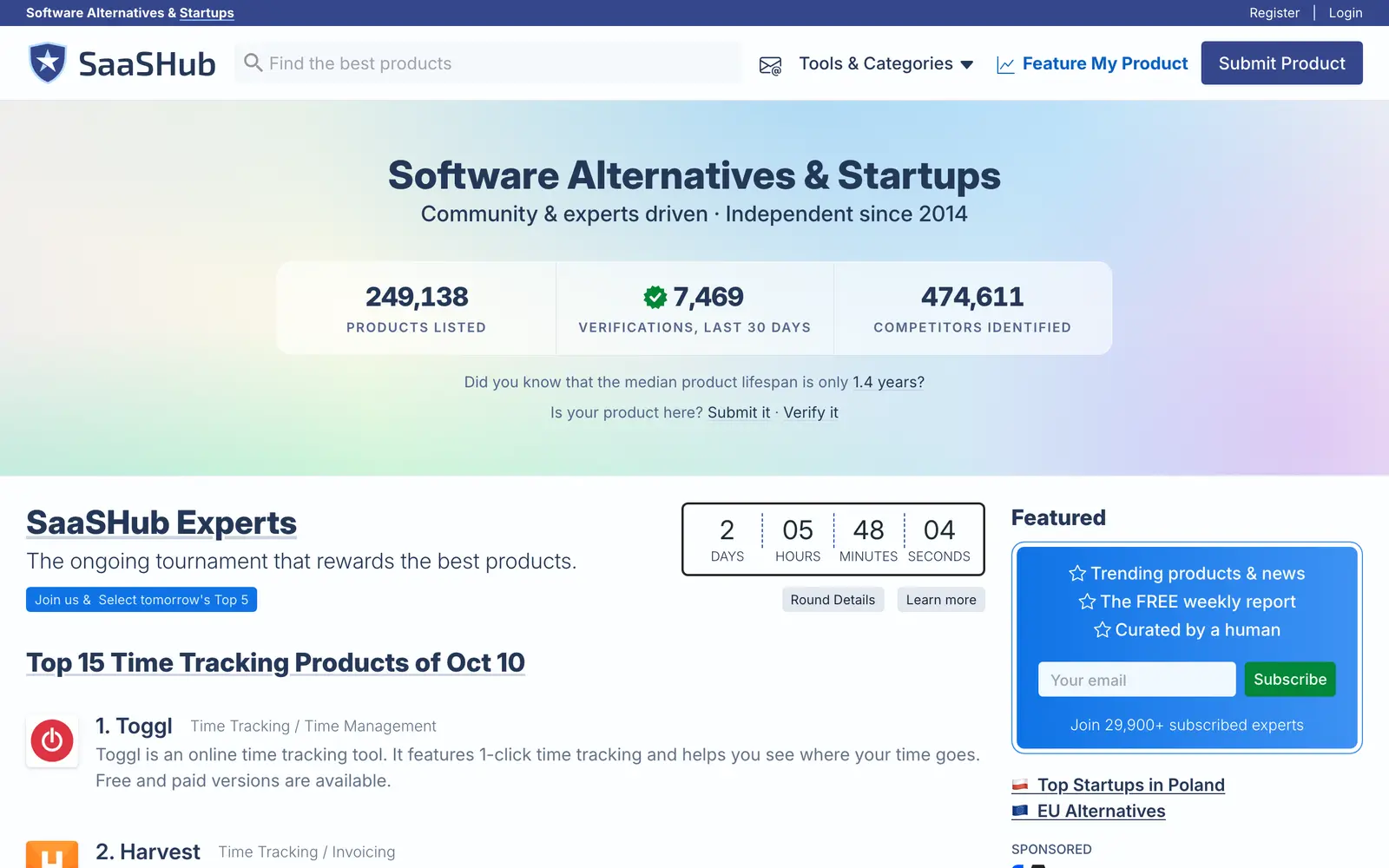
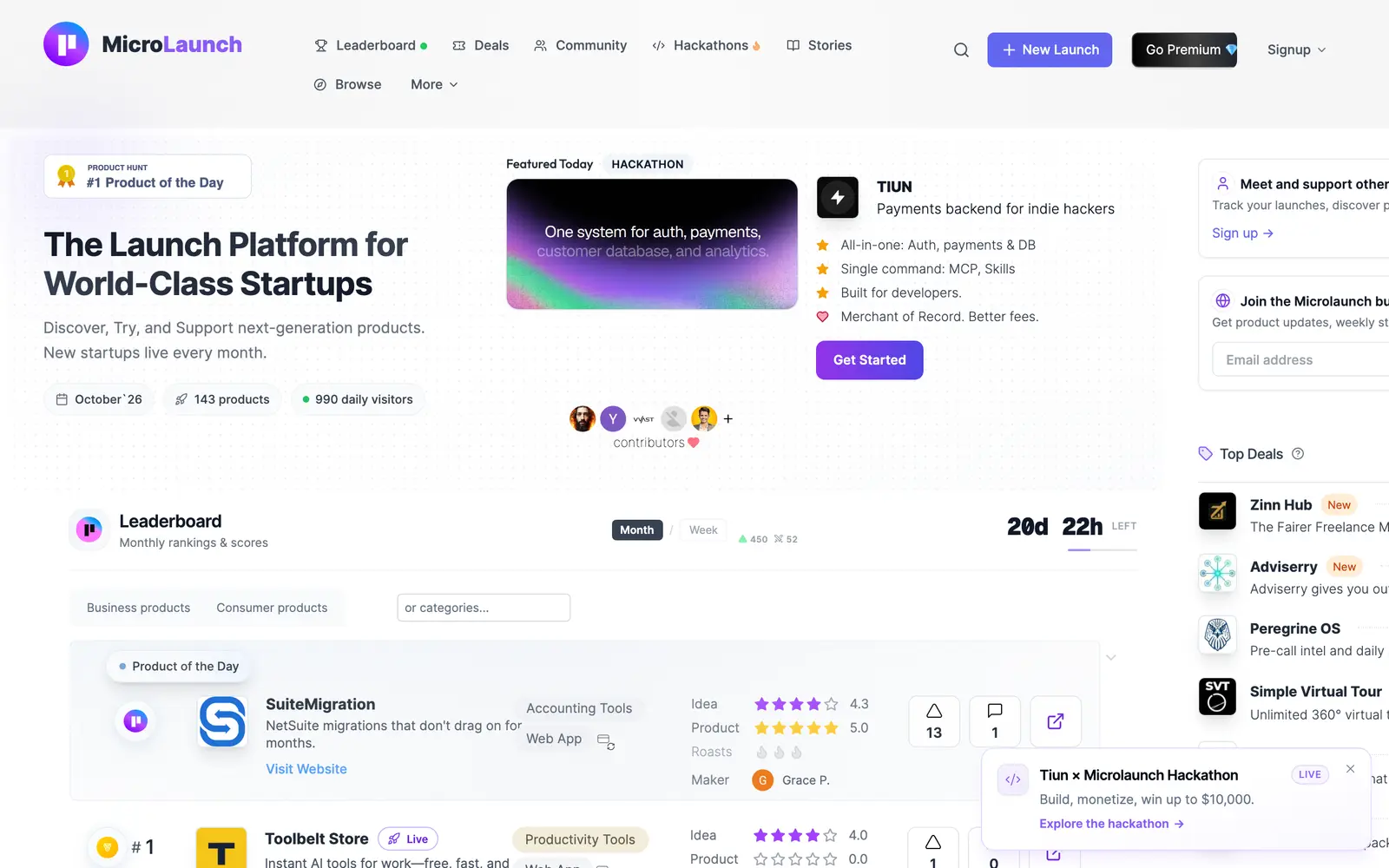
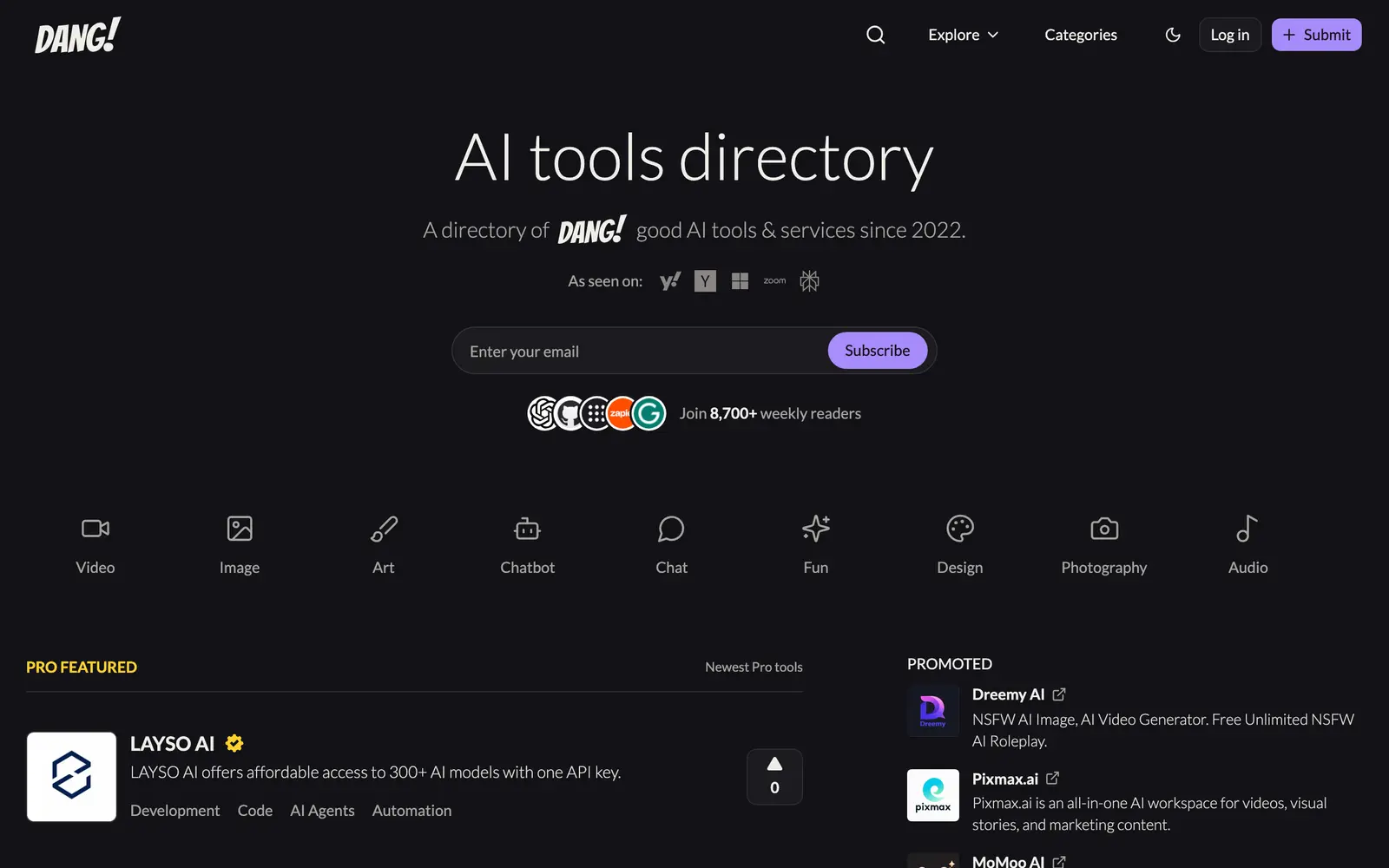
State of AI directories, October 2026: 110 places, by the numbers
110 AI directories and launch sites checked on October 10, 2026: who still lists for free, what a badge buys, median prices, queues, links and closures.