
AI model prices in September: one cut, one claim, two deadlines
Anthropic cut Opus 5.5's list price by 20%; Sonnet 5.5 kept its price and promises cheaper tasks. OpenAI's and Google's lower rates come with end dates.
On this page8 sections
Four prices changed at the top of the model market between late August and the end of September, and they are not the same kind of move. One is a lower list price. One is a promise that the same price buys more work. Two are lower prices with a date on which they stop being lower.
If you pay for an API, all four matter. If you pay for an AI tool — and most tools in the catalog resell one of these models inside a subscription — the two with an end date are the ones to write down, because a tool's own price, limits and default model tend to follow its supplier's.
The four moves
| Model | Vendor | Per 1M tokens, input / output | What changed | Until |
|---|---|---|---|---|
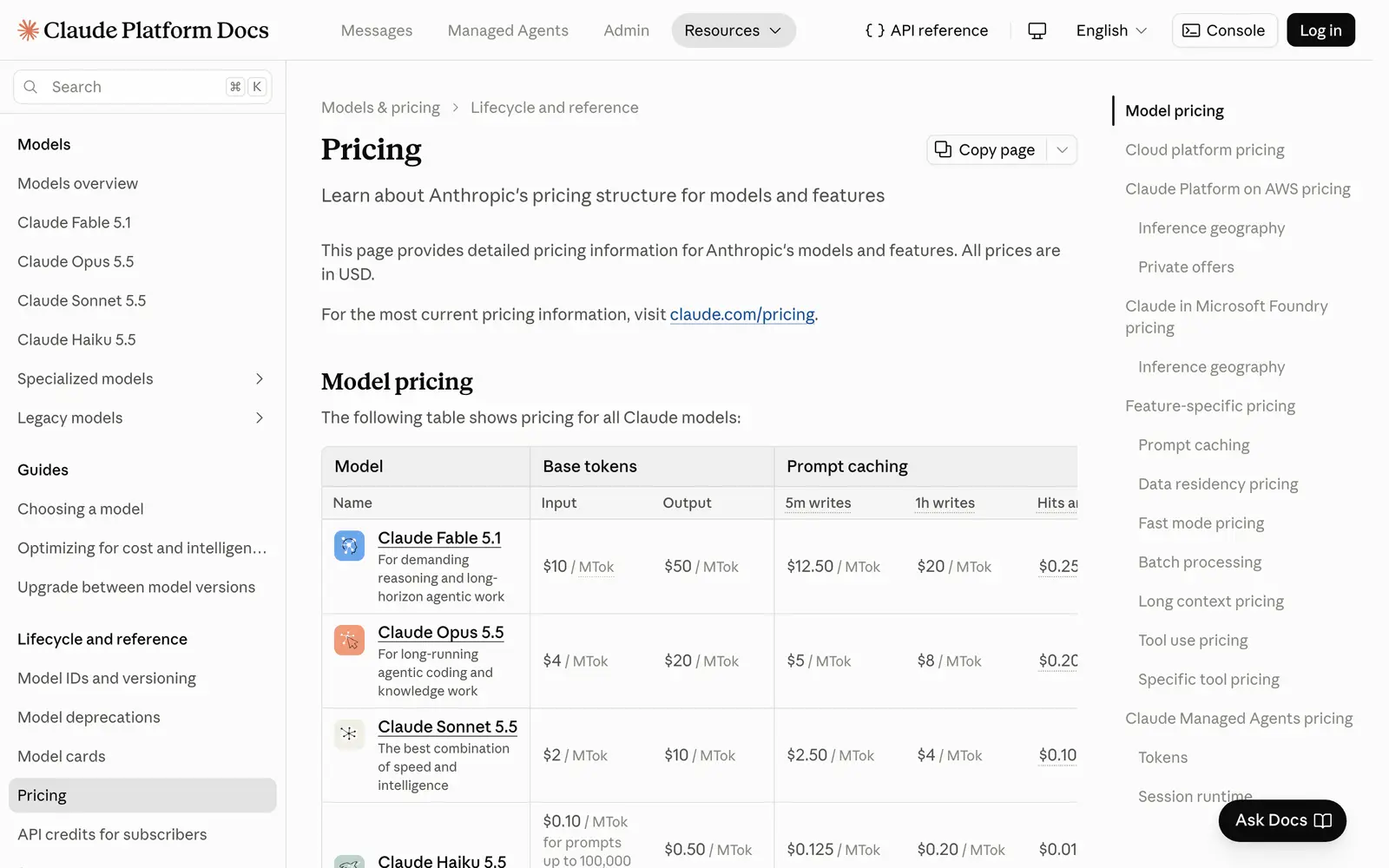
| Claude Opus 5.5 | Anthropic | $4 / $20 | List price, down from $5 / $25 on Opus 5 | No end date |
| Claude Sonnet 5.5 | Anthropic | $2 / $10 | Same price as Sonnet 5; fewer tokens per task, per Anthropic | No end date |
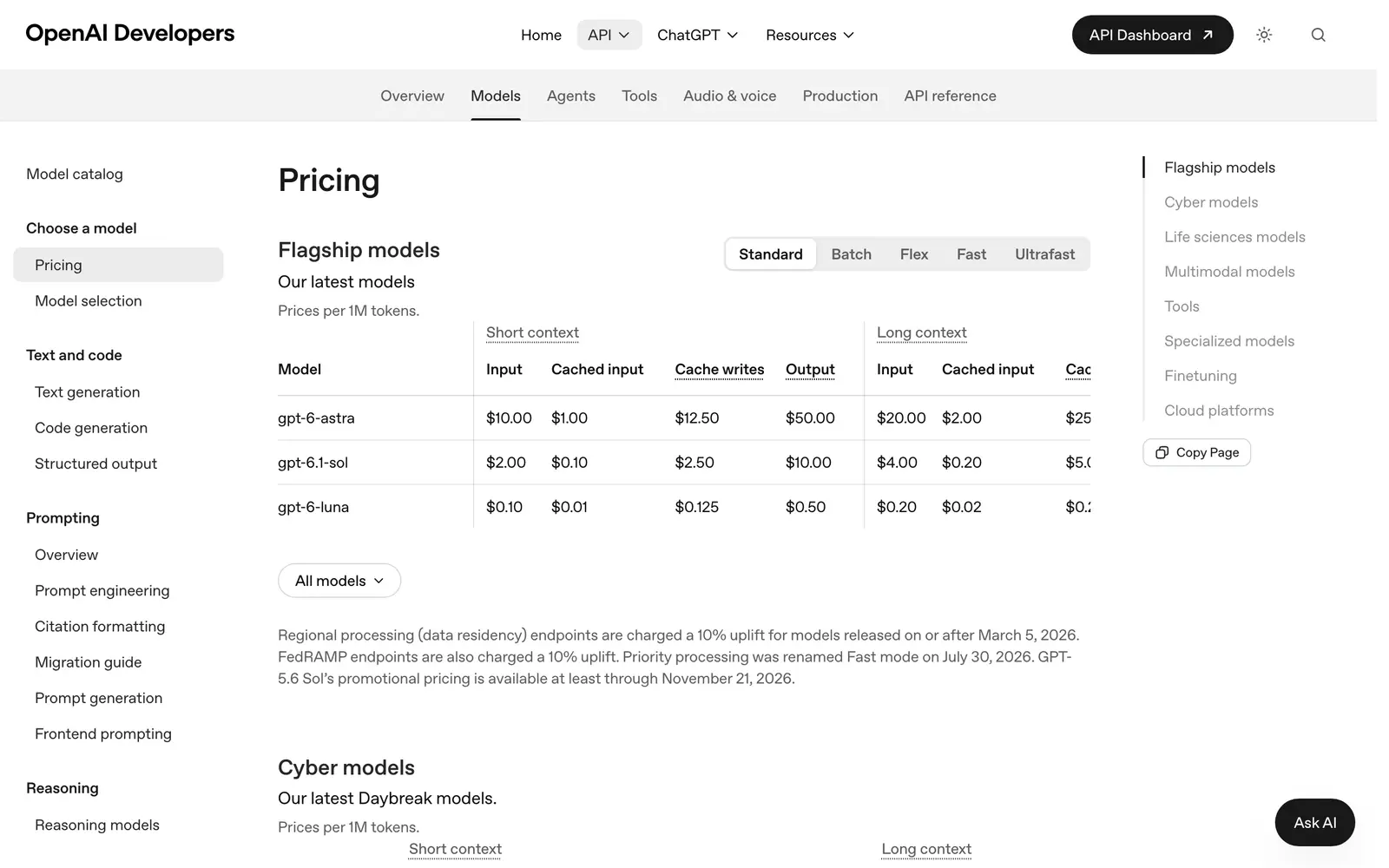
| GPT-5.6 Sol | OpenAI | $4 / $20 | Promotional, down from $5 / $30 | At least 21 Nov 2026 |
| Gemini 3.8 Flash | $0.75 / $3.75 | Introductory launch price | 31 Dec 2026, then $1.50 / $7.50 |
- Claude Opus 5$5
- Claude Opus 5.5$4
- Claude Sonnet 5 and 5.5$2
- GPT-5.6 Sol, before$5
- GPT-5.6 Sol, promotional$4
- Gemini 3.8 Flash, introductory$0.75
- Gemini 3.8 Flash, standard$1.50
The cut: Claude Opus 5.5
Anthropic released Opus 5.5 on 22 September at $4 per million input tokens and $20 per million output tokens, 20% below Opus 5 on both sides. Cache reads fell further, from $0.50 to $0.20 per million tokens. For agent workloads that re-read the same long context on every step, that line matters more than the headline one.
Anthropic also says Opus 5.5 costs 40% less than Opus 5 to run on typical workloads and generates output more than 30% faster. Those are the vendor's own measurements. The list price is the only one of the three a buyer can hold it to.
The claim: Claude Sonnet 5.5
Six days later Sonnet 5.5 shipped at exactly Sonnet 5's price, $2 / $10. The pitch is efficiency rather than price: Anthropic says the model needs fewer tokens for the same work, so a task costs up to 30% less, and that it generates output more than 30% faster.
"Up to" is doing the work in that sentence. A per-task saving depends on the task, and nothing on an invoice moves unless the token count does. Anthropic says a Haiku 5.5 for high-volume work follows in the coming weeks.
Deadline one: GPT-5.6 Sol, through at least 21 November
OpenAI cut GPT-5.6 Sol to $4 input and $20 output per million tokens on 21 August — 20% off input and a third off output. It is a promotion: OpenAI's pricing page says the rate is available "at least through November 21, 2026". It covers the API, including Batch and Flex processing, as well as Codex credits and ChatGPT Work. Plus, Pro and Business subscriptions are unchanged.
Deadline two: Gemini 3.8 Flash doubles on 1 January
Google launched Gemini 3.8 Flash on 2 September at $0.75 / $3.75 per million tokens and labelled the rate introductory. From 1 January 2027 the standard price is $1.50 / $7.50 — double, on both sides. For anything built on Flash because it was cheap, that is the date to watch.
The deadline that did not arrive
End dates move, and not only in one direction. Sonnet 5 launched in June at $2 / $10 as an introductory price that was due to end on 31 August and rise to $3 / $15 the next day. It did not: Anthropic's pricing page now lists $2 / $10 as the standard price and says the increase will not occur. An end date is a plan, not a promise — which is exactly why it is worth tracking rather than assuming.
If you pay for a tool, not an API
A tool that bundles a model into a flat subscription absorbs its supplier's price until it cannot. When an input cost doubles, the change rarely arrives as a price rise. It arrives as a new tier, a tighter usage cap, or a quieter default model.
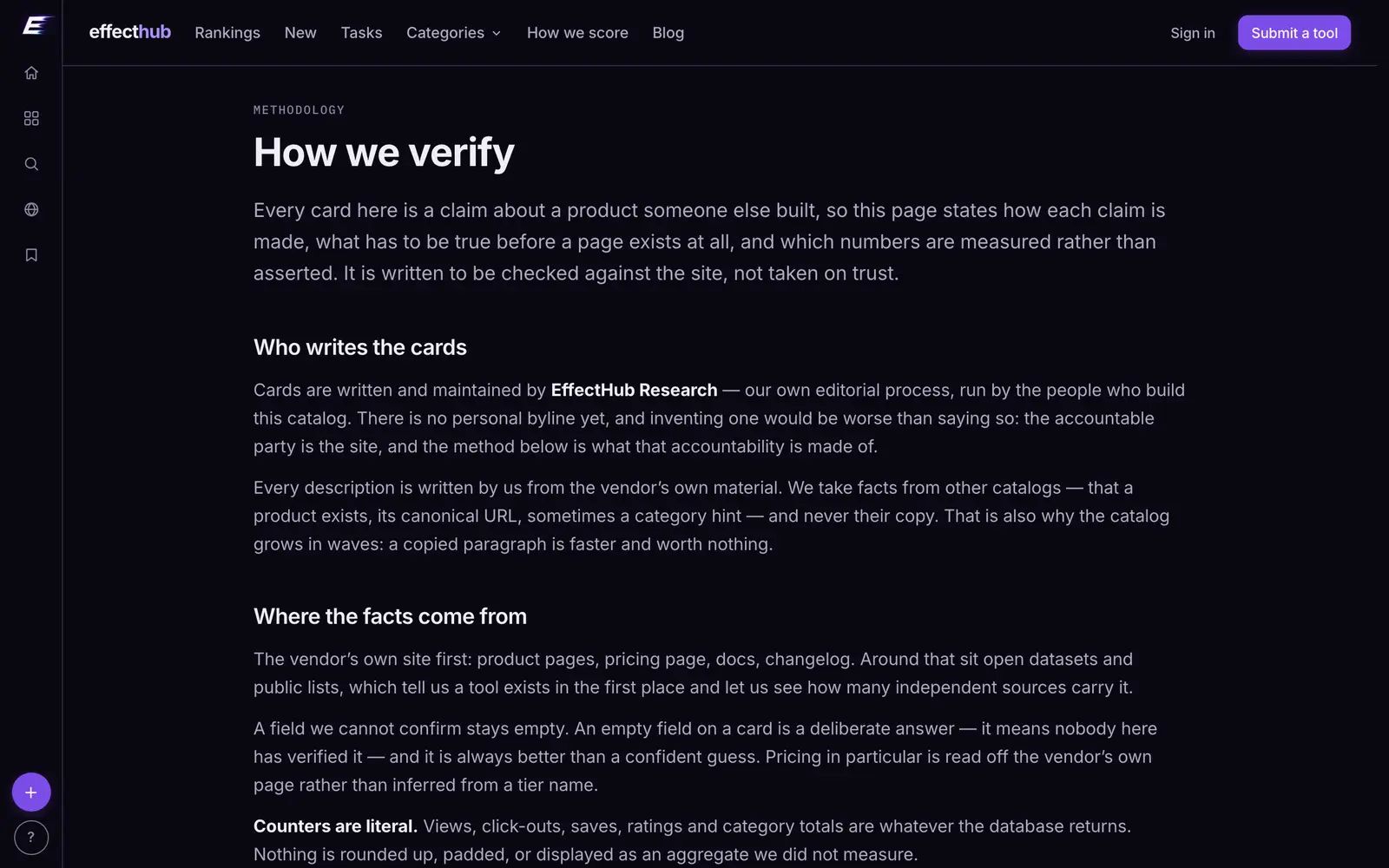
We re-check every listing on a schedule, and a pricing change shows on the listing once it lands. The assistants behind these models are all in the catalog:
Claude
61Assistant focused on long documents and code work
ChatGPT
32General assistant with tools, memory, files and voice
Gemini
57Google assistant wired into Workspace and Android
Sources
PricingLLM APIAnthropicOpenAIGoogleNews
Every tool named here has a live catalog page — price, status and when we last checked it.
Browse the catalogFollow new posts via the RSS feed.
Keep reading
All posts →State of AI tools, October 2026: 3,264 tools, by the numbers
3,264 AI tools counted on October 13, 2026: domain ages, .ai against .com, how they charge, median prices by category, platforms, countries and shutdowns.

AI directory submission services: what $25–$299 actually buys
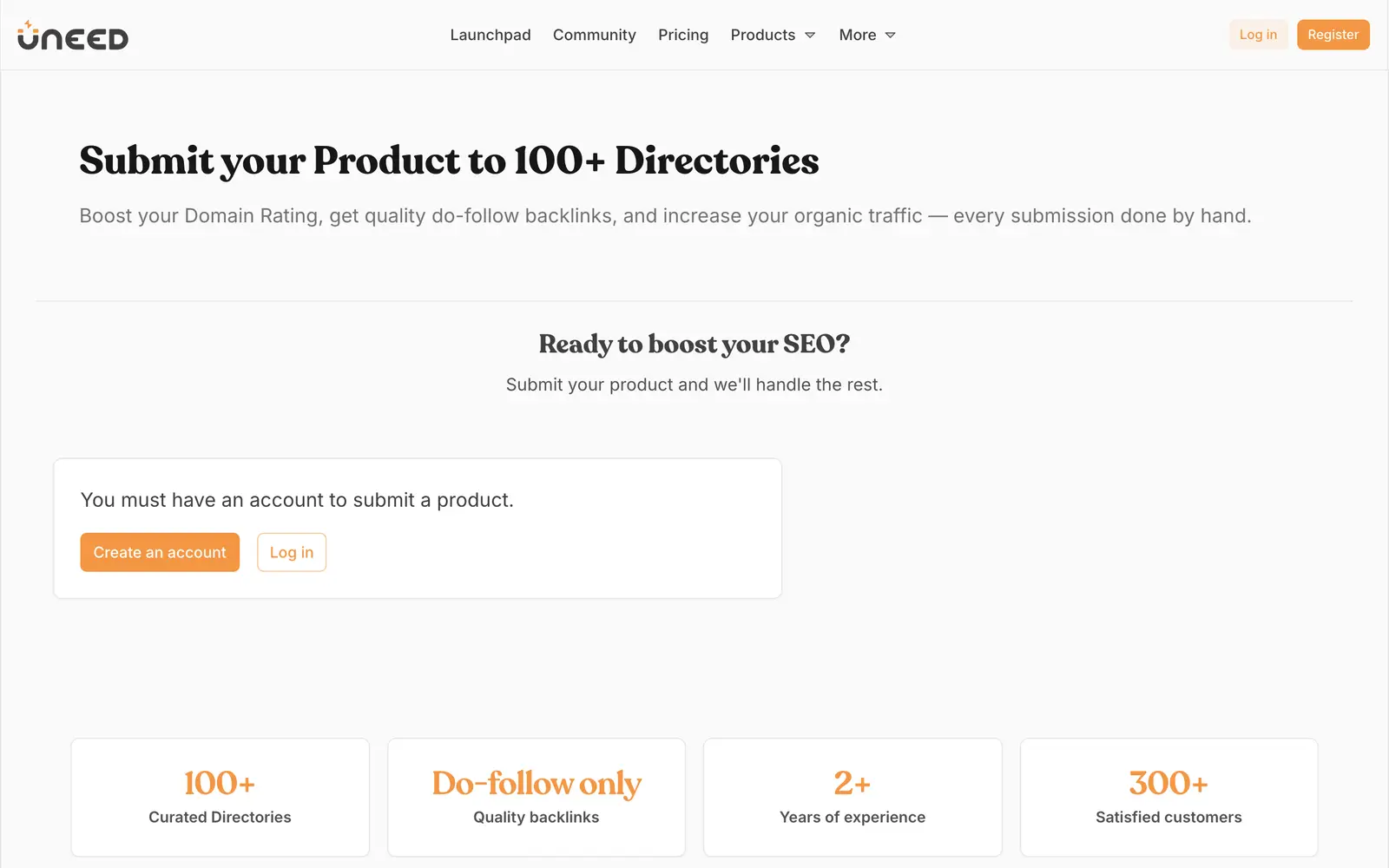
Ten bulk directory-submission services compared on what their pages and terms say: price, count, manual or not, report, refunds. Read October 10, 2026.
AI receipt scanners: how OCR expense apps compare, and what the free tiers leave out
How receipt OCR works and where it fails, what to check before paying, which free tiers cap what, and where your receipts are stored.